Golden, comforting and perfect for any meal of the day
While salmon cakes might feel a little old-school, these Pan-fried Salmon & Potato Cakes with Lemon Aioli are anything but boring. Lightly crumbed and pan-fried until golden, they’re soft and flavourful on the inside with just enough crunch on the outside. Best of all, they’re simple to make, budget-friendly, and perfect for an easy midweek dinner, relaxed lunch or casual brunch.
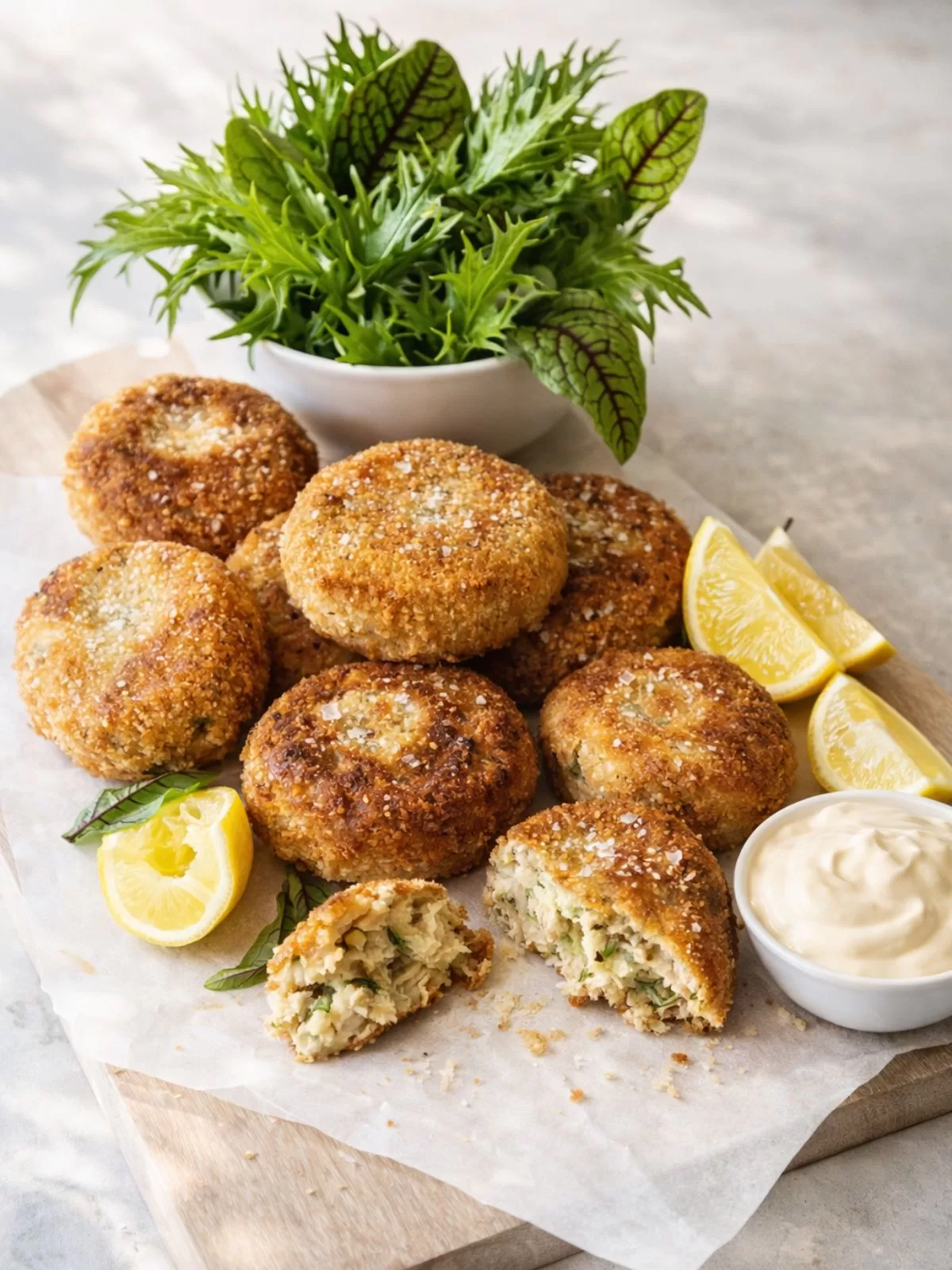
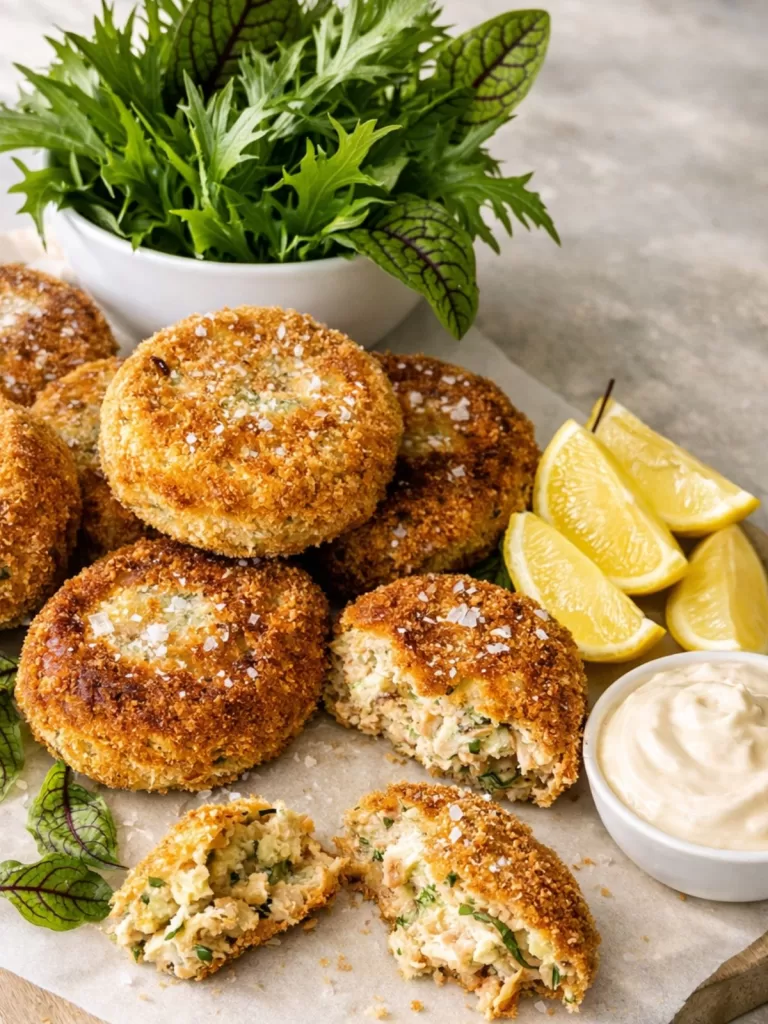
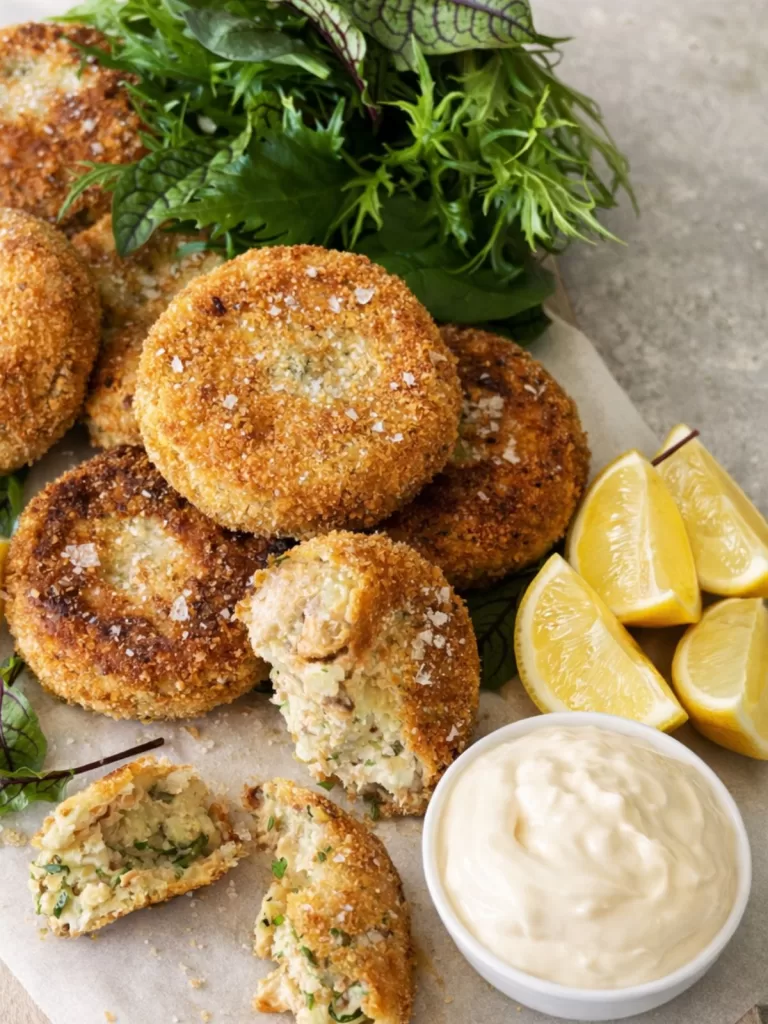
These pan-fried salmon cakes combine mashed potato, canned salmon, fresh herbs, lemon zest and capers for brightness. The mixture is shaped into patties, coated in panko breadcrumbs, then gently pan-fried until golden and cooked through. Served with a creamy lemon aioli, they’re comforting, balanced and full of flavour.
Why You’ll Love These Pan-Fried Salmon & Potato Cakes
- Pan-fried, not deep-fried – Cooked in just a shallow layer of oil, these salmon and potato cakes turn golden without feeling heavy or greasy.
- Soft and flavourful inside – Mashed potato keeps the centres tender, while lemon zest, herbs and capers lift the flavour.
- Made with simple, everyday ingredients – Canned salmon and potatoes make this a budget-friendly recipe you can pull together any night of the week.
- Flexible and forgiving – Use pink or red canned salmon, or swap in cooked fresh salmon if you have it on hand.
- Great for making ahead – The patties can be shaped, crumbed and refrigerated in advance, making them ideal for meal prep.
- Perfect hot, warm or cold – These pan-fried salmon cakes work just as well for dinner as they do for lunch boxes, picnics or brunch plates.
- That lemon aioli – Creamy, garlicky and bright, it cuts through the richness and pulls the whole dish together.
Step-by-step
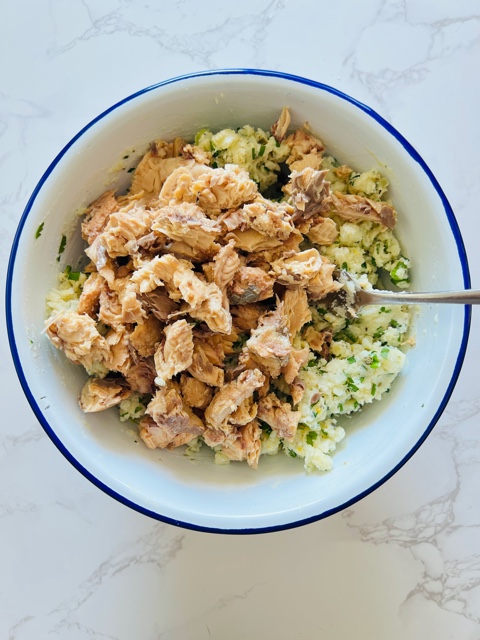
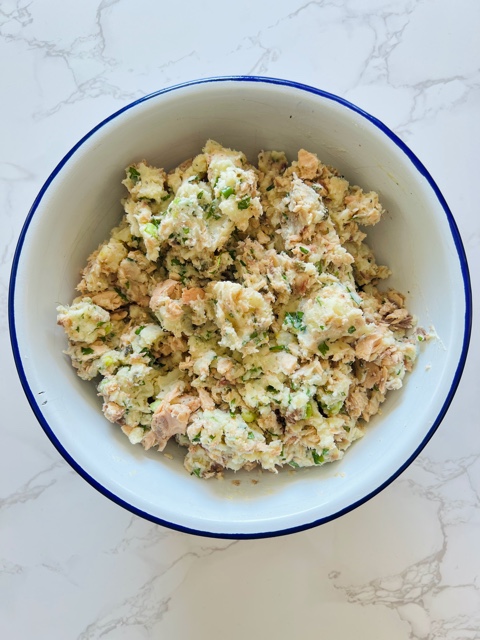
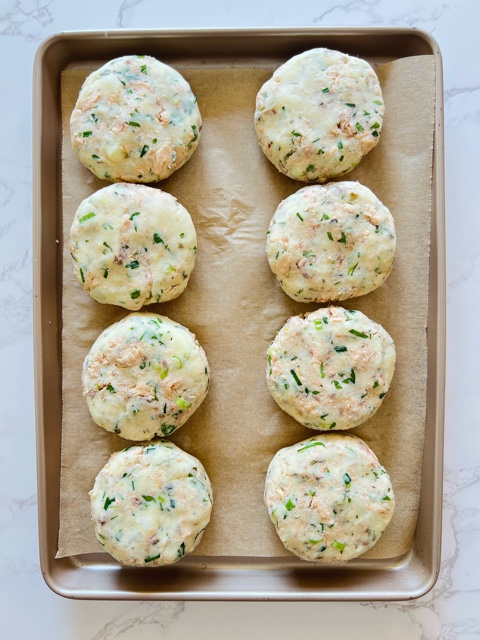
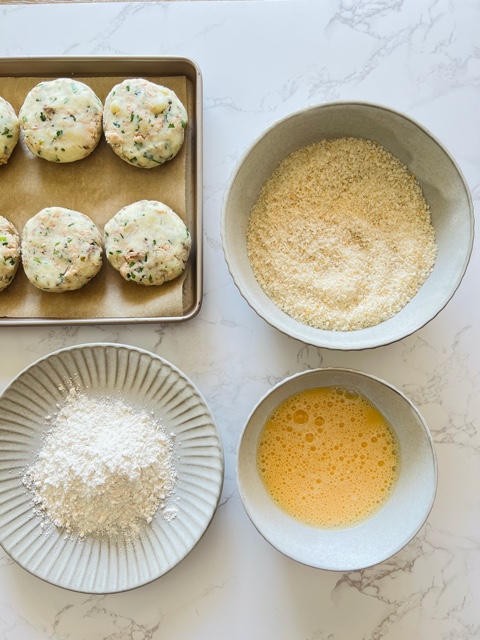
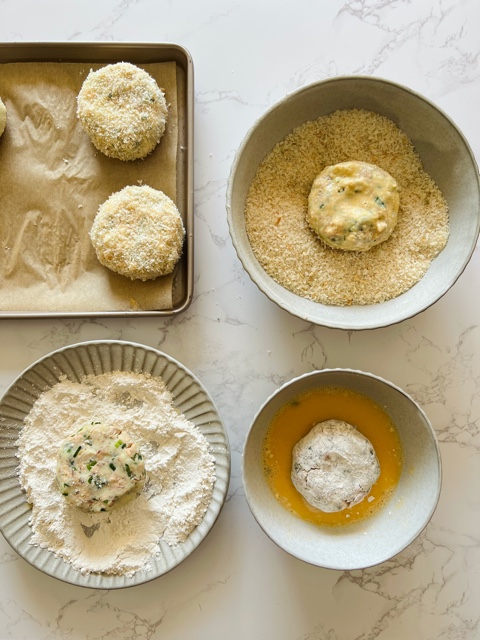
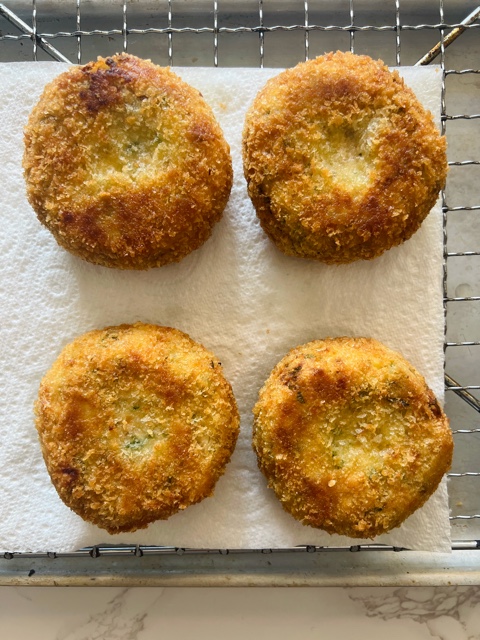
Assembling these salmon cakes is a breeze, and the process is incredibly straightforward. I typically begin by preparing the Lemon Aioli Mayonnaise first, allowing the flavours ample time to meld together for an extra flavourful experience.
Serving Suggestions
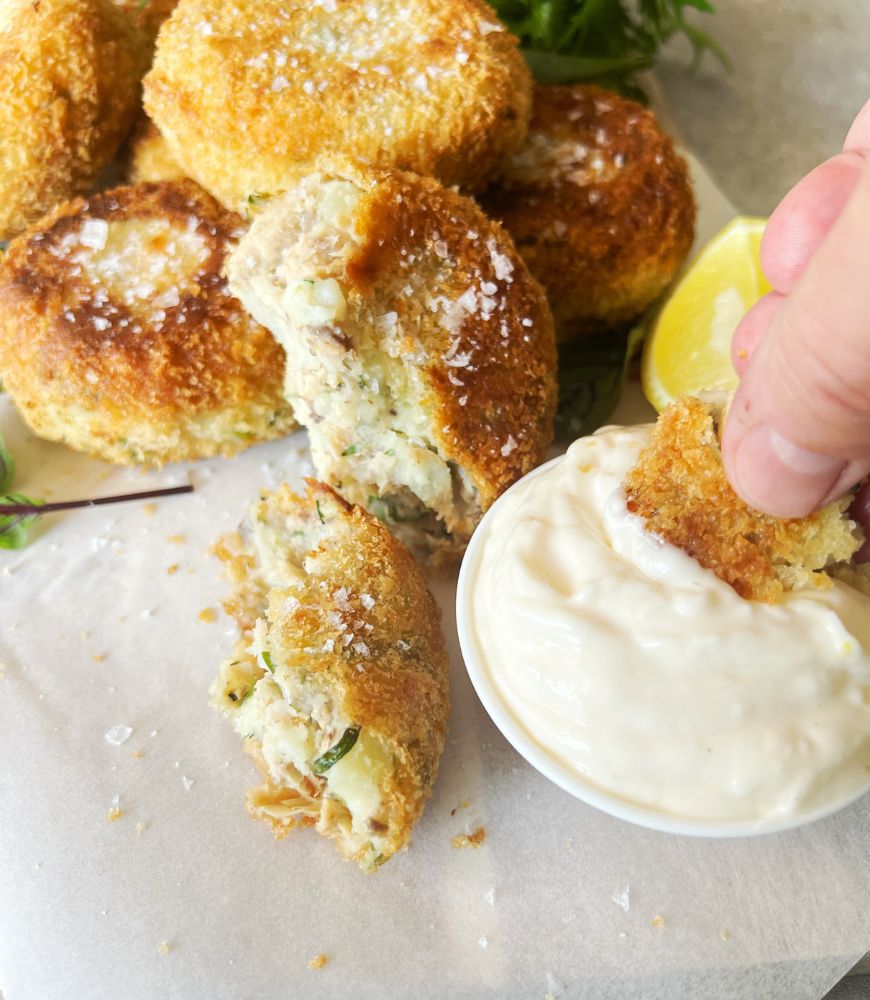
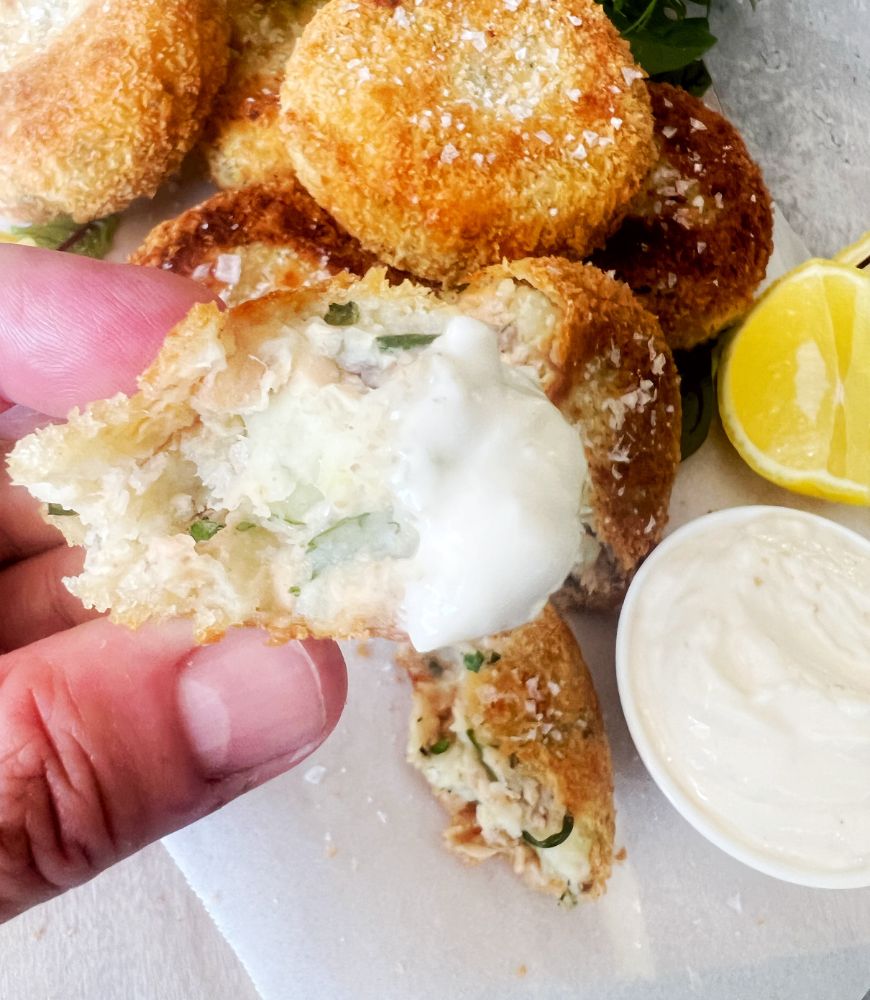
These pan-fried salmon & potato cakes are incredibly versatile, which is why they’re such a regular on my table. For an easy dinner, I usually serve them warm with a crisp green salad and plenty of lemon aioli on the side – simple, fresh and satisfying. They also work beautifully for lunch, either on their own or tucked into a soft roll with lettuce, tomato and a generous swipe of aioli for a salmon cake burger moment.
If you’re leaning into brunch, try serving the salmon cakes alongside poached eggs and some wilted greens, or with a simple tomato and avocado salad. They’re also great cold, which makes them ideal for lunch boxes, picnics or meal prep – just pack the lemon aioli separately. However you serve them, a squeeze of fresh lemon right before eating really lifts the flavours and brings everything together.
Storage, Make-Ahead & Freezing
These pan-fried salmon & potato cakes keep well in the fridge for up to 3 days. Reheat gently in a pan or oven to maintain their golden coating.
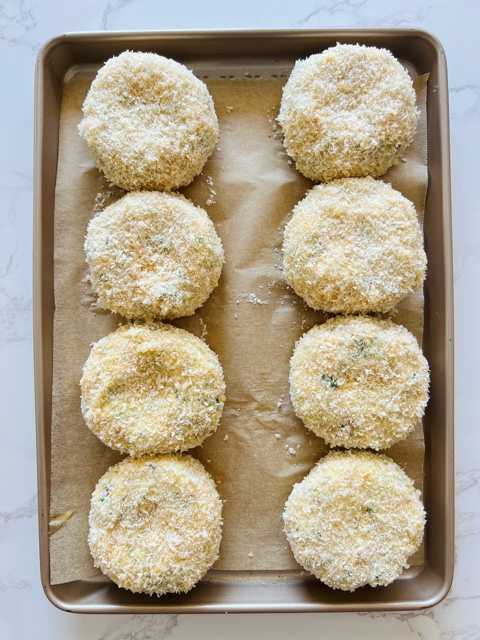
You can shape and crumb the patties up to a day in advance and refrigerate until ready to cook.
For freezing, place uncooked crumbed cakes on a tray until firm, then transfer to a freezer-safe bag or container for up to 2 months. Thaw overnight in the fridge before pan-frying. Cooked cakes can also be frozen once cooled and reheated in the oven.
Store lemon aioli in a sealed container in the fridge for 1–2 weeks; it’s best not to freeze.
Frequently Asked Questions
Can I use fresh salmon instead of canned?
Yes, absolutely. Cook the salmon first (pan-fry, bake or steam), allow it to cool, then flake it before folding it through the potato mixture. Fresh salmon adds lovely flavour, but canned salmon is more budget-friendly and convenient.
Why do the salmon cakes need to chill before cooking?
Chilling helps the patties firm up, which makes them much easier to pan-fry and less likely to break apart in the pan.
Can I bake these instead of pan-frying?
You can, although pan-frying gives the best golden finish. If baking, place the crumbed salmon cakes on a lined tray, spray lightly with oil and bake at 200°C (180°C fan-forced) until golden and heated through, turning once.
Are these salmon cakes good cold?
Yes! They’re delicious cold, which makes them perfect for lunch boxes, picnics and make-ahead lunches. Just keep the aioli separate until serving.
These pan-fried salmon & potato cakes are one of those dependable recipes you’ll find yourself coming back to — simple, flavour-packed and endlessly versatile. Whether you serve them for an easy weeknight dinner, a relaxed weekend lunch or make them ahead for the week, they’re always a good idea. If you give this recipe a try, I’d absolutely love to hear how you served it. Leave a comment below and let me know!
More Recipes You May Like
- Tuna & Corn Jalousie – a beautiful French style savoury fish pie in a crispy puff pastry shell
- Beef & Vegetable Rissoles – a similar shaped pattie but full of beef and hidden veggies. They are true Aussie classic and budget friendly meal
- Easy Rocket & Parmesan Salad – this is a great salad to serve with these fish cakes
- Amazing Zucchini & Bacon Slice
Pan-fried Salmon & Potato Cakes with Lemon Aioli
Ingredients
- 700g Sebago potatoes, peeled and chopped
- ¼ cup chopped mixed herbs (I used parsley, dill & chives)
- 2 spring/green onions, finely sliced
- 2 tablespoons tartare sauce or mayonnaise
- 1 tablespoon capers, finely chopped (optional ,but recommended)
- 2 teaspoons dijon mustard
- Zest of ½ lemon
- Salt and cracked black pepper
- 415g can pink or red salmon, drained and flaked (skin and bones removed)
- ½ cup plain flour
- 1 egg, lightly beaten with 1 tablespoon water
- 1 ¼ cups panko breadcrumbs
- Vegetable oil, for shallow frying
LEMON AIOLI MAYONNAISE
- ⅔ cup whole egg mayonnaise
- Zest and juice and ½ lemon
- 2 cloves garlic, grated
- Salt & ground white pepper, to taste
Instructions
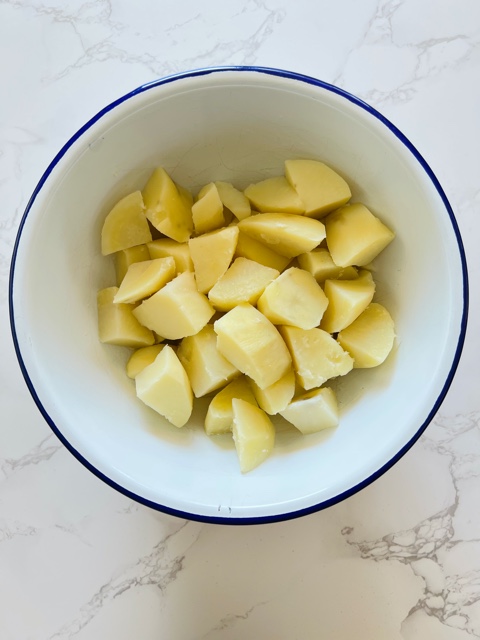
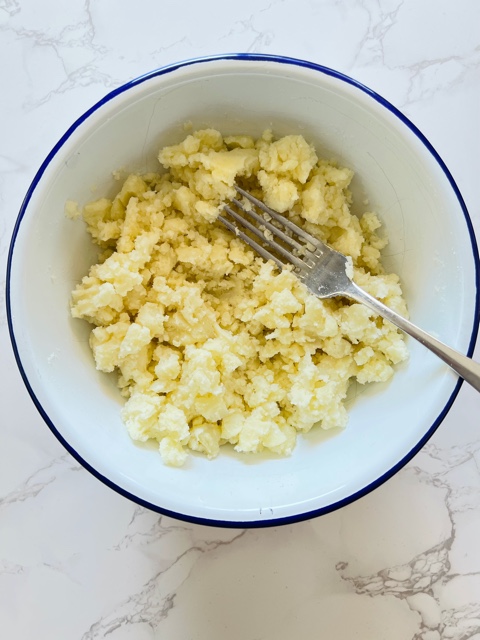
- Place the potato in a medium saucepan, cover with cold salted water and place over medium heat. Bring to the boil and cook for 8–10 minutes or until tender. Drain well, place in a large bowl and crush roughly with a fork. Set aside.
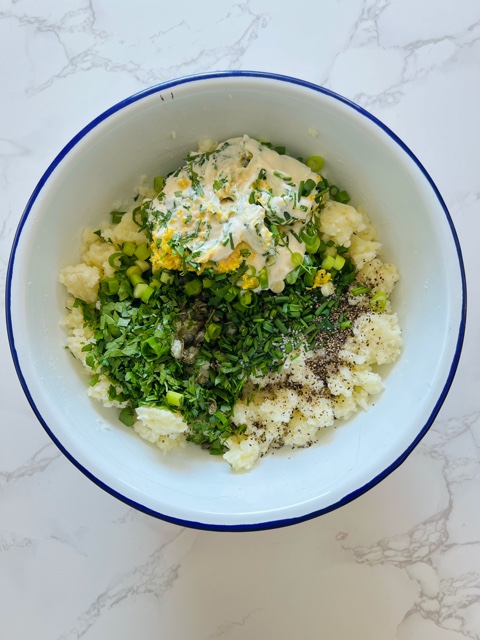
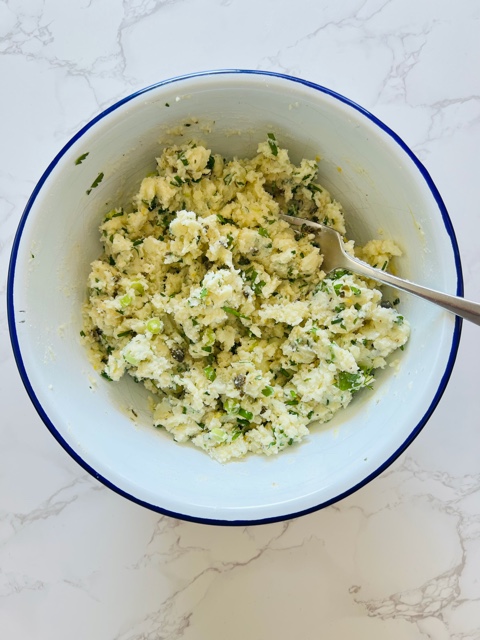
- Add the herbs, tartare sauce, dijon mustard, lemon zest and season to taste with salt and pepper. Mix to combine. Add the salmon and gently fold through.
- Divide the mixture into 8 portions and shape into patties. Dip each pattie into flour to coat, then egg wash then press into the breadcrumbs to coat. Cover and chill for at least 30 minutes or until ready to cook.
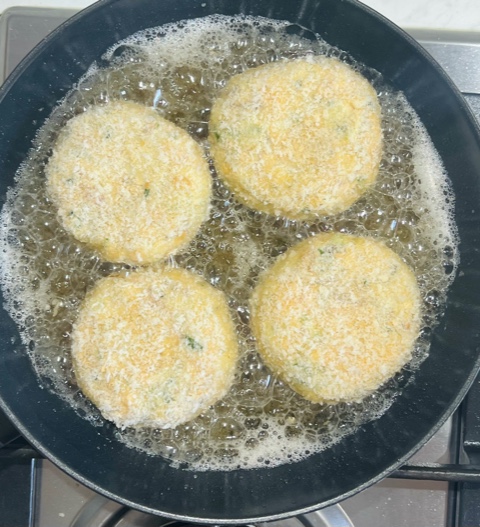
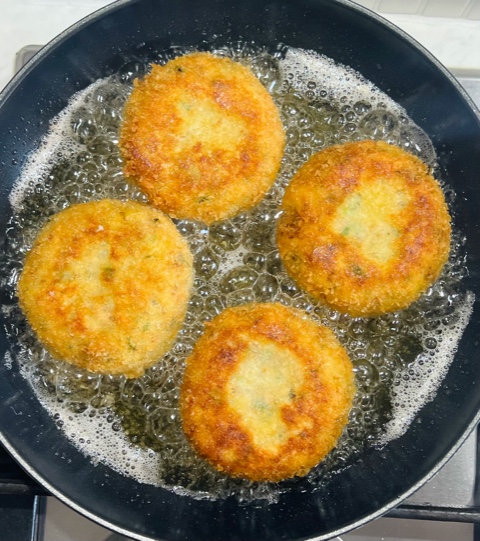
- Heat 1cm of oil in a large non-stick frying pan over medium heat. Add the fish cakes and cook for 3–4 minutes each side or until golden brown and heated through. Drain on paper towel. Sprinkle with sea salt and serve with mixed salad leaves and Lemon Aioli Mayonnaise. Garnish with lemon wedges.
LEMON AIOLI MAYONNAISE
- Combine all ingredients in a bowl and chill until required.
Notes
- COOKS NOTES:
Oven Temps: Oven temperatures are for conventional, if using fan-forced (convection), reduce the temperature by 20˚C.
Measurements: We use Australian tablespoons and cups: 1 teaspoon = 5 ml, 1 tablespoon = 20 ml & 1 cup = 250 ml.
Herbs: All herbs are fresh (unless specified) and cups are lightly packed.
Vegetables: All vegetables are medium size and peeled, unless specified.
Eggs: We use extra-large size and eggs are 55-60 g each, unless specified. - Make Ahead: Patties can be shaped and crumbed up to 1 day in advance, stored in an airtight container in the fridge.
- Leftovers: Cooked cakes can be refrigerated for 3 days; reheat gently in a pan or oven.
- Freezing: Uncooked crumbed patties freeze well for up to 2 months; thaw overnight before pan-frying. Cooked cakes can also be frozen once cooled.
- Aioli: Store in a sealed container in the fridge for 1–2 weeks; do not freeze.
-
NUTRITIONAL INFORMATION
This is a general guide and may not be exact, as it’s derived from an online calculator. It assumes full consumption of all aioli mayonnaise per serving, which may not be the case. Additionally, all flour, egg, breadcrumbs, and oil have been accounted for, although not all may be used in the recipe. Adjustments may be needed based on actual consumption and preparation.
Leave a Reply