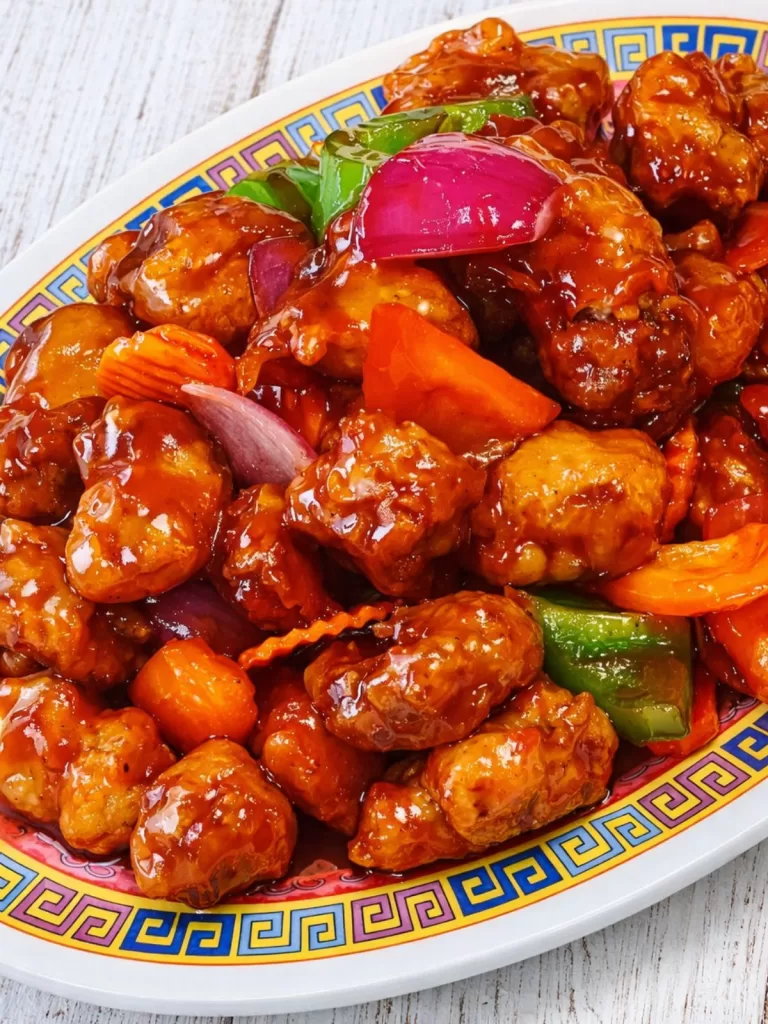
Crispy Restaurant Style Sweet and Sour Pork is a classic Chinese takeaway dish with golden crispy pork pieces tossed in a glossy sweet and sour sauce. Lightly battered pork is fried until crunchy, then combined with pineapple and colourful vegetables for the perfect balance of sweet, tangy and savoury flavour. This homemade version delivers the same restaurant style sweet and sour pork you love, with extra crunch and fresh flavour.
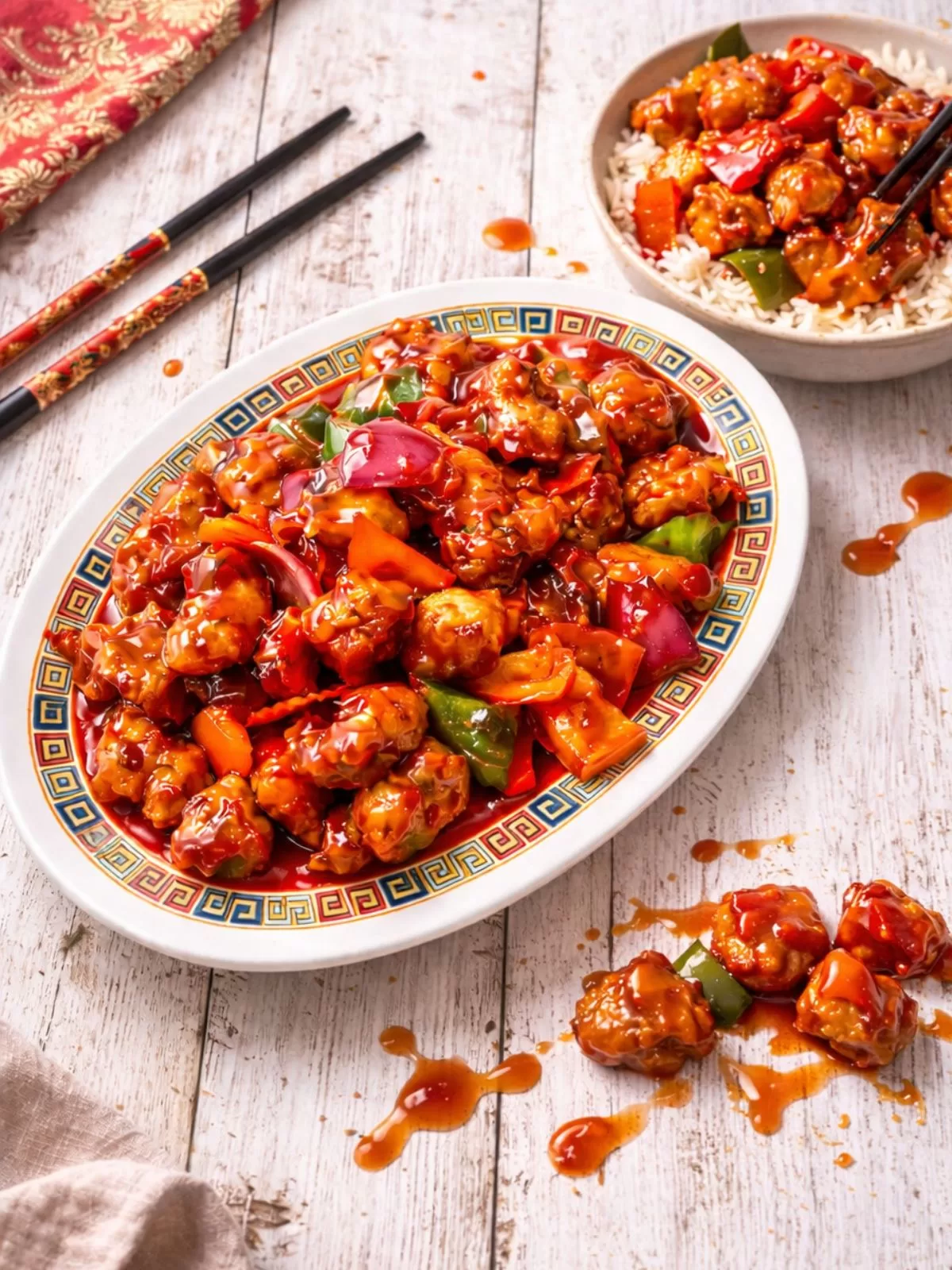
In our house, the ultimate takeout treat has always been Sweet and Sour Pork, it’s Rob’s absolute favourite. The combination of crispy pork and that iconic sweet-and-sour sauce is just unbeatable. Wanting to recreate that restaurant magic at home led me to discover the secrets: a simple velveting marinade keeps the pork juicy, while the double-fry method creates that perfect, lasting crunch. Tossed in a well-balanced sauce with a hint of Worcestershire, it’s become our go-to “fakeaway” night special.
Why you’ll love this recipe
This recipe demystifies the takeout classic, giving you superior results at home. Here’s why it works:
- Authentic Restaurant Crispiness: The double-fry technique ensures the pork stays incredibly crispy, even after being tossed in the sauce.
- Juicy, Tender Pork Every Time: The velveting marinade (with bicarbonate soda) is a Chinese cooking secret that keeps the pork bites succulent.
- Perfectly Balanced Sauce: It’s not just sweet, the sauce has the right tang from vinegar, savoury depth from Worcestershire, and a touch of umami.
- Faster Than Delivery: From start to finish, it’s on the table in about 40 minutes, often quicker than waiting for a delivery driver.
- Adaptable: The method works perfectly with chicken thigh or breast if you prefer, using the same velveting trick.
How to make sweet and sour pork
The process has three key phases: prep, fry, and toss:
- Marinate & Prep: Dice the pork and marinate it with Chinese spices and a velveting agent (bicarb soda) to ensure tenderness. Whisk together the sweet and sour sauce and chop your vegetables.
- Fry to Crispy Perfection: This is the secret. Coat the marinated pork in a simple batter and deep-fry it twice, first at a lower temperature to cook it through, then at a high temperature to create an ultra-crispy, golden shell that won’t go soggy.
- Stir-Fry & Toss: Quickly stir-fry the colourful veggies in a hot wok. Pour in the sauce, let it bubble and thicken, then toss through the crispy pork and pineapple chunks until everything is gloriously coated.

Why a double fry?
Double frying is the professional secret to crispiness that lasts. The first fry at a lower temperature cooks the pork through gently. The second, hotter fry quickly crisps and seals the exterior, driving out moisture so the batter stays crackly-crisp even after you add the sauce. It’s what makes this taste like a proper restaurant dish.
Top tips
- The Right Pork Cut: Use pork scotch fillet (neck) or pork belly (skinless) for the best balance of flavour and juiciness.
- Chill the Batter: Let the batter rest in the fridge for up to 1 hour. This helps the gluten relax and results in a lighter, crisper coating.
- Control Your Oil Temperature: Use a thermometer. 160°C for the first fry, 180°C for the second. This is non-negotiable for perfect texture.
- Prep Everything First (Mise en Place): Have your sauce mixed, veggies chopped, and pineapple drained before you start frying. The stir-fry comes together in minutes once the pork is done.
- Serve Immediately: This dish is at its absolute best straight from the wok, while the pork is still at peak crispiness.
Serving suggestions
This dish is a complete meal, but it’s even better with classic sides. Serve it over a bed of steamed jasmine or fried rice to soak up the delicious sauce. For a fuller spread, add crispy prawn crackers, a simple steamed greens side (like bok choy or broccoli), or some fortune cookies for fun. It’s also fantastic with chow mein noodles.
Storage & Reheating
FRIDGE
Store leftovers in an airtight container for up to 2-3 days. The pork will lose its crispness but will still be tasty.
REHEAT
Reheat gently in a microwave at 50% power until hot. For slightly better texture, reheat in an air fryer or oven for a few minutes to re-crisp the pork slightly.
FREEZE
Freezing is not recommended, as the fried pork and vegetables will become soggy upon thawing.
Frequently asked questions
Can I use chicken instead?
Yes! Use chicken thigh or breast cut into bite-sized pieces. The velveting marinade and double-fry method work perfectly.
What can I use instead of MSG?
You can omit it. The dish will still be delicious, but MSG adds a classic, savoury depth (umami). A tiny bit of soy sauce in the sauce can help compensate.
I don’t have a deep fryer. What should I use?
You don’t need a specialist appliance. Use a large, heavy-based saucepan or Dutch oven. Fill it one-third full with oil, which is enough for deep frying in batches. A cooking thermometer is highly recommended to monitor the temperature accurately.
Can I make the sauce ahead of time?
Absolutely. Mix the sauce ingredients and store it in the fridge for up to 3 days. Give it a good stir before using.
I hope this Restaurant-Style Sweet and Sour Pork becomes your new go-to for a fun and flavour-packed fakeaway night. It’s proof that with a couple of simple techniques, you can create something truly special at home, no delivery required. Give it a try this weekend and let me know if it hits the spot for you in the comments below!
More Chinese recipes:
- Chinese Chicken with Roasted Almonds
- Crispy Lemon Honey Chicken
- Chicken & Ham Spring Rolls
- Crispy Prawn Balls
- Pork & Prawn Wontons with Snow Peas
- Chinese Sweet & Sour Dipping Sauce (Just Like a Restaurant)

Sweet and Sour Pork
Ingredients
MARINATED PORK
- 600g pork scotch fillet, cut into small bite size pieces
- 1 teaspoon chicken stock powder
- ½ teaspoon Chinese 5 spice powder
- ¾ teaspoon bicarbonate soda
- ½ teapsoon ground white pepper
- pinch of salt
- ½ teaspoon MSG, optional (see notes)
- ½ teaspoon sesame oil
- 2 teaspoons Chinese cooking wine
BATTER
- 1 cup self-raising flour
- ½ cup cornflour or potato starch
- 1 ⅓ cups soda water or water
SWEET AND SOUR SAUCE
- ⅓ cup ketchup or tomato sauce
- ⅓ cup caster sugar
- ¼ cup white vinegar
- 2 tablespoons pineapple juice (reserved from the can for the stir fry)
- 2 tablespoons water
- 2 teaspoons Worcestershire sauce
- 2 ½ teaspoons cornflour
- 1 teaspoon MSG
- Few drops of red food colouring, optional
STIR FRY
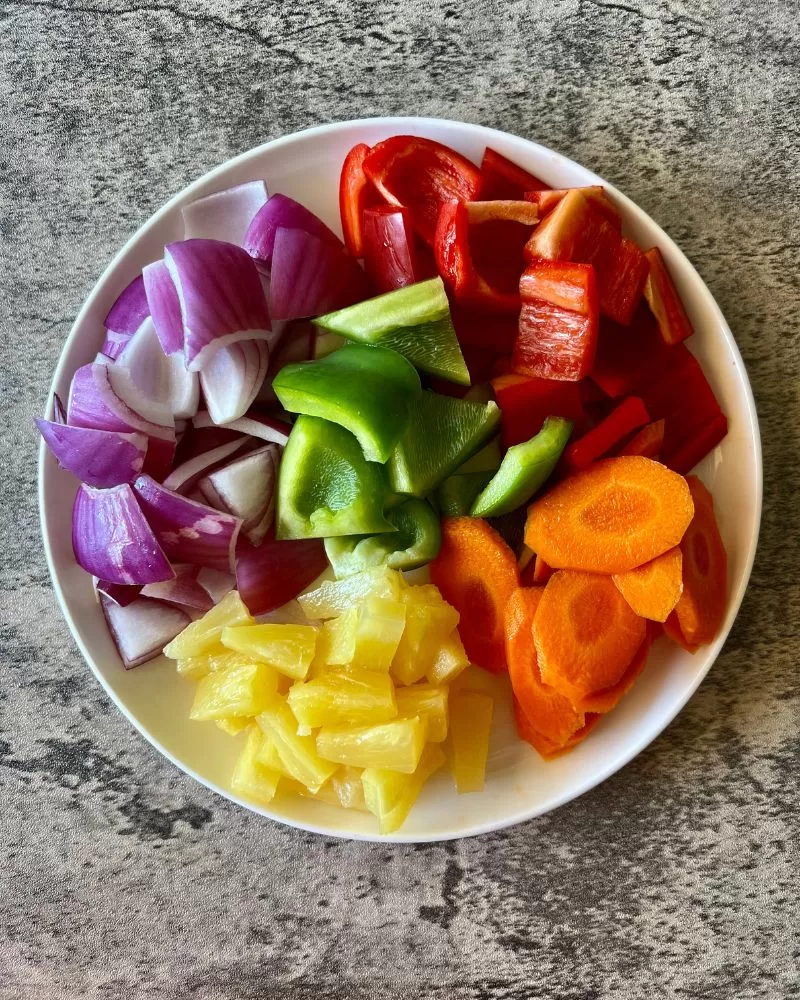
- ½ large red onion, cut into large chunks
- ½ small red capsicum, cut into chunks
- ½ small green capsicum, cut into chunks
- 1 small carrot, cut into 2-3mm thick slices
- 227g can pineapple chunks in juice, drained (reserve the juice for the Sweet & Sour Sauce)
Instructions
- MARINATE PORK:Combine diced pork with all marinade ingredients. Cover and refrigerate for at least 10 minutes (or up to 24 hours).
- MAKE BATTER:Whisk flour and cornflour in a bowl to combine. Make a well in the centre, add the soda water or water and whisk until just combined. Don't overwork it, a few lumps are ok. This step is best done just before frying or it can also be covered and chilled for up to 1 hour maximum.
- SWEET & SOUR SAUCE:Whisk all ingredients in a bowl until throughly combined. Set aside until ready to use.
- FIRST FRY:Heat enough oil in a wok or saucepan to come one-third up the side over medium high heat until it reaches 160C. (alternately use an electric deep fryer according to manufactures instructions) Coat pork in batter, then drop one-by-one into hot oil in batches. Fry for 3 minutes or until golden. Drain on a wire rack. Repeat with remaining pork. (TIP: I use food safe gloves here to help reduce with messy hands. I use a new glove for every batch)
- SECOND FRY:Reheat oil to 180°C. Fry the pork batches again for 1-1.5 minutes until deeply golden and very crisp. Drain.
- STIR FRY:Heat 1 tbsp oil in a clean wok over high heat. Stir-fry onion, capsicum, and carrot for 1-2 minutes. Pour in sauce, bring to a boil. Remove from heat.
- COMBINE:Add the crispy pork and drained pineapple chunks. Toss vigorously to coat. Serve immediately with steamed rice or fried rice.
Notes
- Measurements: We use Australian tablespoons and cups: 1 teaspoon = 5 ml, 1 tablespoon = 20 ml & 1 cup = 250 ml
- Pork: Pork scotch fillet (neck) is ideal for flavour and juiciness. Pork belly (skinless) is also excellent. Leaner cuts like tenderloin can dry out.
- Velveting Marinade: The bicarbonate soda (bicarb) is a Chinese technique called “velveting” that keeps the pork tender. Don’t skip it.
- Chicken Stock Powder: For the most authentic flavour, use a Chinese-style chicken powder like Knorr. Regular chicken stock powder (e.g., Continental, Massel) also works perfectly.
- MSG (Optional): Monosodium glutamate is a traditional seasoning that adds a savoury umami depth. It can be omitted, but it’s a key ingredient in many restaurant versions for that “moreish” taste.
- Double Frying: This is the secret to crispiness that lasts. The first fry cooks the pork, the second fry makes it crunchy.
- Equipment: A large, heavy saucepan or Dutch oven is perfect for deep frying. Fill it one-third full with oil. A cooking thermometer is highly recommended.
- Sauce: For a more vibrant colour, a few drops of red food colouring can be added to the sauce. This is optional but traditional.
- Serving: Serve immediately after combining with the sauce to preserve the pork’s crisp texture.




Leave a Reply