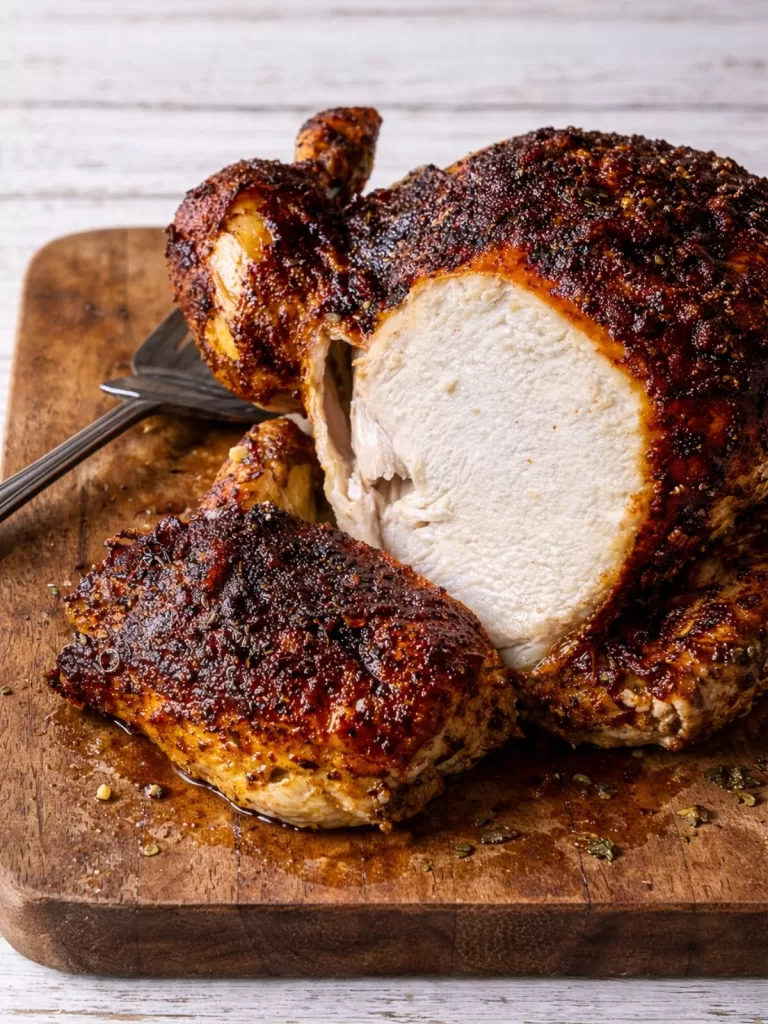
The secret to the juiciest meat and crispiest skin? A simple lemon herb rub and a hot oven. This roast chicken is a guaranteed showstopper.
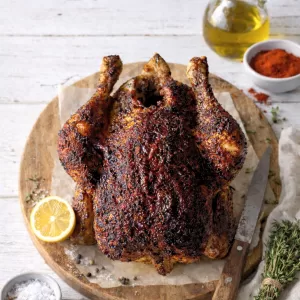
If you think roast chicken is just for Sundays, this Lemon Thyme Roast Chicken is about to change your mind. It’s a brilliantly simple, high-heat method that delivers incredibly juicy meat and shatteringly crisp, flavour-packed skin every single time. The magic is in the easy dry rub of sweet paprika, thyme, garlic, and onion powder, paired with the fresh zing of lemon. In just over an hour, you’ll have a centrepiece that’s impressive enough for guests and easy enough for any weeknight.
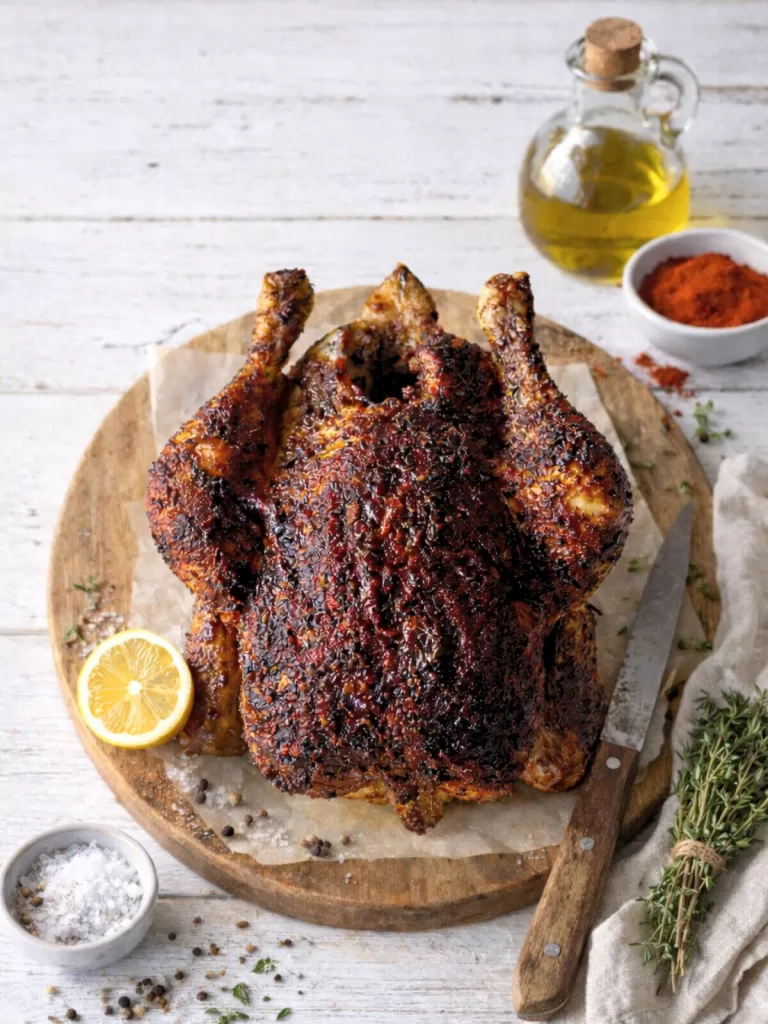
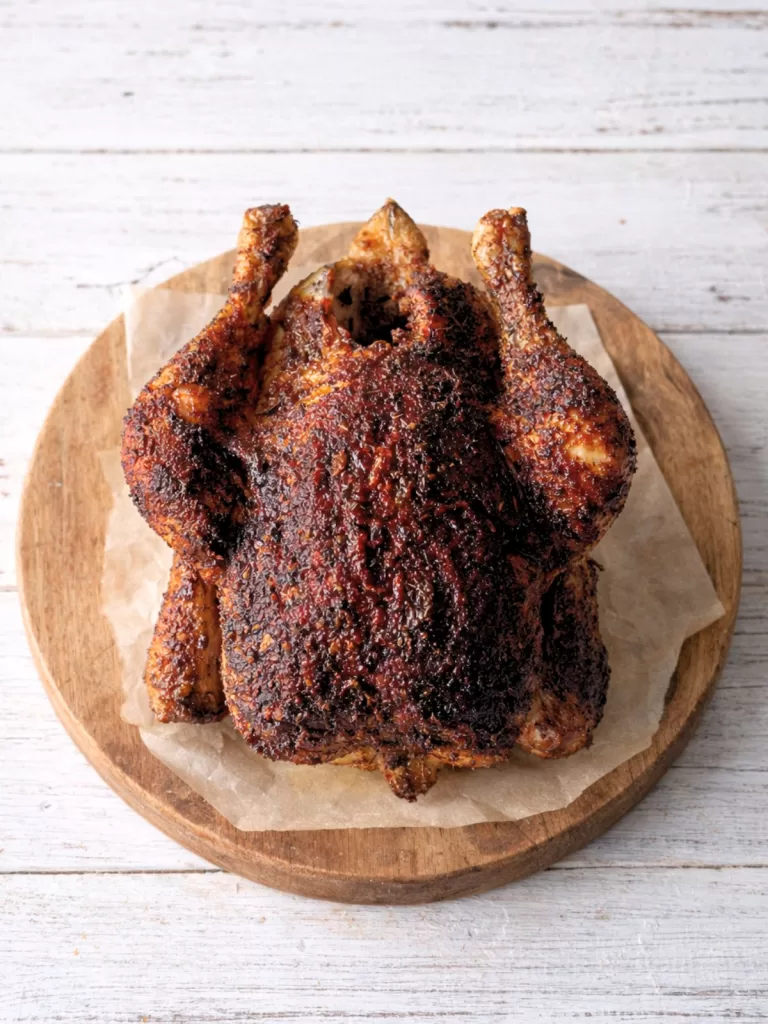
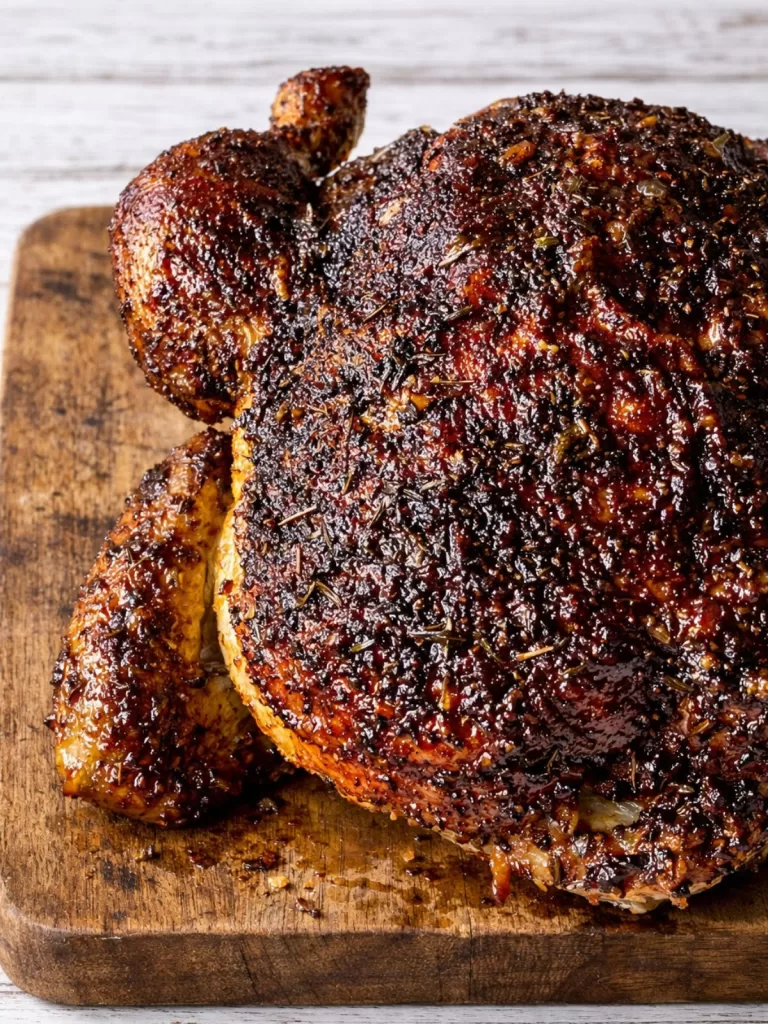
What sets this method apart is the clever combination of technique and simplicity. By starting the chicken breast-side down in a very hot oven, you protect the delicate white meat from drying out while the dark meat cooks through. The easy dry rub, a mix of pantry spices, forms a stunning, flavour-packed crust that crackles as it roasts. Meanwhile, the lemon halves steam inside the cavity, keeping everything incredibly moist and infusing it with a subtle, fresh fragrance. It’s a small handful of steps for a truly impressive result.
Why You’ll Love This Roast Chook
This recipe proves that sometimes the simplest methods yield the most incredible results.
- Perfect Crispy Skin: Roasting at a high temperature is the foolproof key to golden, crackling-crisp skin that’s packed with flavour from the spice rub.
- Unbelievably Juicy Meat: Starting the chicken breast-side down and using a hot oven locks in moisture, ensuring every bite is succulent and tender.
- Effortless Elegance: With just 10 minutes of hands-on prep, this dish looks and tastes like you spent all day in the kitchen. It’s deceptively simple.
- The Ultimate Versatile Protein: Enjoy it hot from the oven with roast veggies, use the leftovers in sandwiches and salads, or shred the meat for quick weeknight meals.
Key Ingredients
A handful of pantry staples create a symphony of flavour.
- The Chicken: A good 2kg whole chicken is the ideal size for even cooking and serving four. Patting it dry before seasoning is crucial for crisp skin.
- Fresh Lemon: You’ll halve and rub the cut lemon all over the chicken, releasing its oils and juice. The halves then roast in the cavity, steaming the meat from the inside with citrus aroma.
- The Dry Spice Rub: The combination of sweet paprika, dried thyme, garlic powder, and onion powder creates a deeply savoury, aromatic crust that adheres perfectly to the skin. Dried herbs are best here as fresh herbs would burn at this high heat.
- Olive Oil & Spray: A light drizzle of oil helps the initial rub adhere, and a final spritz of olive oil spray just before roasting helps the spices blister and crisp up beautifully.
Pro Tip: For the most even, professional-looking coating, sprinkle the dry rub from a height over the chicken instead of rubbing it on with your hands.
My Top Tips for Perfect Roast Chicken
A few simple, non-negotiable tricks are the difference between a good roast chicken and a great one.
- Pat the Chicken Dry: This is the golden rule for crispy skin. Use paper towel to thoroughly pat the chicken dry inside and out before adding any oil or seasoning. Moisture is the enemy of crispness.
- Season Liberally & Generously: Don’t be shy with the salt in your spice rub. It’s essential for seasoning the meat deeply and helping the skin crisp up. Seasoning from a height ensures an even, untouched coating.
- Start Breast-Side Down: This is the secret to juicy breast meat. By positioning the lean breast against the hot pan (not directly under the heat), it gently steams and cooks more slowly, preventing it from drying out.
- Use a Thermometer, Not Just Time: Ovens vary. The only sure way to know your chicken is perfectly cooked (and safe) is to use a meat thermometer. Aim for 75°C (165°F) in the thickest part of the thigh, not touching bone.
- Rest Before Carving: Resist the urge to carve immediately! Letting the chicken rest for a full 10 minutes allows the tense, hot juices to redistribute throughout the meat. If you cut it too soon, all those precious juices will end up on the board, not in your dinner.
Serving Suggestions
Carve this chicken and serve it with all your favourite sides. For a classic roast dinner, pair it with creamy mashed potatoes and honey roasted carrots. For a Mediterranean twist, try it with my Rocket & Parmesan Salad and Crunchy Roast Potatoes with Semolina or for something really simple, pair it with Garlic Butter Rice and a simple green salad. Don’t forget to drizzle those incredible pan juices over everything! The leftover meat is perfect for chicken sandwiches, salads, or a quick chicken fried rice.
Storage & Leftovers
Fridge: Allow leftover chicken to cool completely, then store the meat (off the bone is best) in an airtight container in the refrigerator for up to 3 days.
Freeze: Shredded cooked chicken freezes beautifully. Place cooled meat in a zip-lock bag, press out the air, and freeze for up to 2 months. Thaw overnight in the fridge.
Reheating: To maintain moisture, reheat shredded chicken in a saucepan with a splash of water or stock over low heat. For larger pieces, cover with foil and warm in a 180°C oven until heated through.
Frequently Asked Questions
Can I use fresh thyme instead of dried?
For the dry rub that goes on the skin, dried thyme is essential. Fresh herbs contain too much moisture and will burn rather than crisp up in the hot oven. You can place fresh sprigs in the cavity with the lemon for aroma.
Why do you start the chicken breast-side down?
Starting breast-side down protects the leaner white meat from the intense direct heat of the oven, allowing the dark meat (thighs and legs) to cook faster. This helps everything finish cooking evenly and keeps the breast incredibly juicy.
How do I know when the chicken is done?
The most reliable method is a meat thermometer. Insert it into the thickest part of the thigh (not touching bone); it should read 75°C (165°F). Alternatively, pierce the same spot with a skewer, the juices should run clear, not pink.
My spice rub is burning. What did I do wrong?
This likely means your oven is too hot or the rack is too high. Ensure you’re using the specified temperature and place the chicken in the centre of the oven. The spritz of oil should prevent burning, but if it’s browning too quickly, you can tent the chicken loosely with foil.
Can I use this method for chicken pieces?
Absolutely! The cooking time will be much shorter—closer to 35-45 minutes for bone-in, skin-on pieces like thighs or drumsticks. Keep an eye on them and use a thermometer to check for doneness (75°C in the thickest part).
This Lemon Thyme Roast Chicken is more than just a recipe, it’s a reliable technique that will give you perfect results every time. I hope it earns a permanent spot in your dinner rotation. If you make it, I’d love to see how it turned out! Leave a comment below and tell me your favourite way to serve it.
More Chicken Recipes You May Love
- Sticky Asian Chicken Wings with Hoisin
- Peruvian Roast Chicken with Green Sauce
- Chicken, Barley & Freekeh Soup
- Portuguese Chicken Burgers
- Easy Moroccan Chicken Tagine with Dates & Honey
- Bill Granger’s One-Pot Curried Chicken & Rice
- Chicken & Camembert Pies
Lemon Thyme Roast Chicken
Equipment
- Deep sided baking tray or dish
Ingredients
- 2kg whole chicken
- 1 lemon, halved
- 2-3 teaspoons olive oil
- 1 ½ tablespoons sweet paprika
- 3 teaspoons dried thyme leaves
- 2 teaspoons each of garlic powder and onion powder
- 1 teaspoon sea salt
- ½ teapsoon cracked black pepper
- Olive oil spray
Instructions
- Preheat oven to 220℃ (200℃ fan forced). Line a deep baking tray or dish with baking paper. Remove chicken from packaging and pat dry with paper towel. Place chicken into baking dish.
- Using the cut side of the lemon halves, rub and massage the chicken all over making sure to release the juices. (make sure to really rub it in firmly). Place the lemon halves into the cavity of the chicken then drizzle with the olive oil and rub over gently to coat evenly. Turn chicken breast side down in pan. Set aside.
- Combine remaining ingredients in a small bowl to make the spice mixture.
- Using one-third of the spice mixture, sprinkle (from a height) the mixture over the bottom of the chicken to coat evenly. Carefully turn the chicken breast side up. Starting around the nook and crannies around the legs and wings, sprinkle with the seasoning mixture then sprinkle generously all over to coat the top and sides. Be careful not to touch the skin with your hands as it will disturb the coating. We want a nice even cover.
- Once coated, using olive oil spray, spray the chicken so the coating is just moistened with oil. Transfer to the oven and roast for 1 hour and 20-30 minutes, basting half way through cooking time, until juices run clear when chicken thigh (in the thickest part) is pierced with a skewer. (Internal temperature needs to be at least 75℃ (165℉).
- Remove chicken from oven and baste once again with juices. Set aside for 10 minutes to rest before carving or cutting into serving size pieces. Serve chicken with your choice of sides.
Notes
- COOKS NOTES:
Oven Temps: Oven temperatures are for conventional, if using fan-forced (convection), reduce the temperature by 20˚C.
Measurements: We use Australian tablespoons and cups: 1 teaspoon = 5 ml, 1 tablespoon = 20 ml & 1 cup = 250 ml.
Herbs: All herbs are fresh (unless specified) and cups are lightly packed.
Vegetables: All vegetables are medium size and peeled, unless specified.
Eggs: We use extra-large size and eggs are 55-60 g each, unless specified. - For Crispy Skin: Ensure the chicken is dry before seasoning and roast at the high temperature specified.
- Doneness: Using a meat thermometer is the most reliable way to check. The chicken is safe to eat at 75°C (165°F).
- Dried Herbs: Dried thyme is recommended for the rub as fresh herbs can burn. Fresh sprigs can be added to the cavity.
- Alternate Herbs & Spices: You can really make this your own recipe by choosing different herbs and/or spices. You could use smoked paprika instead of sweet paprika for a real smokey Spanish flavour, use rosemary or oregano instead of thyme and also add some chipotle chilli powder, dried chilli flakes or cayenne pepper for some heat.
Leave a Reply